-
Winterizing Your Pool
How to Winterize a Pool
After an exciting summer season of swimming and lounging, pool owners who live in an area where winter temperatures drop below freezing must winterize their pools to protect them during the offseason. Proper winterization is an essential step every pool owner must follow. However, it can be complex and difficult, especially for new pool owners. Our easy-to-understand and thorough guide will provide you with all the information you need to winterize your pool correctly. Whether this is your first season or you’ve been winterizing your pool for years and need a refresher, we’re here to help.
What Is Pool Winterization?
Pool winterization is the process of preparing your swimming pool for the sub-zero winter months. When water freezes, it expands, damaging your pool lining, plumbing, and equipment. By balancing water chemistry, cleaning the pool, lowering the water levels, and protecting the plumbing and equipment, you can prevent costly repairs while keeping the water as clean and clear as possible for opening weekend.
What Are the Benefits of Pool Winterization?
Taking the time to winterize your pool is essential for getting the most from your home’s pool. Winterization offers several significant benefits, including:
- Prevents Equipment Damage – When water freezes, it expands, causing your plumbing and equipment to crack. Draining the water is the most effective way to avoid damage.
- Protects the Pool Structure – Your vinyl lining can dry out and crack over the winter. If you have a fiberglass or concrete pool, it prevents cracks caused by ice pressure.
- Keeps Water Clean – Winterizing your pool prevents algae growth, meaning you’ll spend less time cleaning it once pool season begins.
- Saves Time and Money – Winterizing your pool saves you from expensive repairs and extensive cleaning costs when summer returns. A quick and easy spring opening is a direct result of a thorough fall closing.
What Do I Need to Winterize My Pool?
Preparing all your winterization equipment before you get started will ensure a smooth process. Here’s the basic equipment you’ll need for closing your pool:
- Pool Water Test Kit
- Winterizing Chemicals
- Pool Cover
- Pool Brush and Skimmer Net
- Pool Vacuum
- Air Compressor or Shop Vacuum
- Winterizing Plugs
- Pool Antifreeze
What Are the Steps for Pool Winterization?
Now that you have all the winterizing items, you can close your pool like a pro. Follow these steps to ensure your pool is correctly winterized:
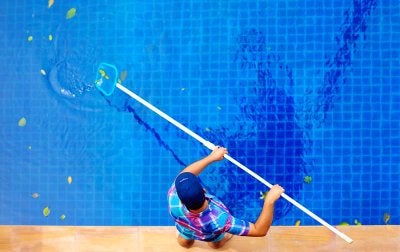
- Clean Your Pool Thoroughly – Use your skimmer to remove all surface-level debris like leaves and sticks. Next, use a brush to scrub dirt stuck to the walls and floor. Finally, use your pool vacuum to remove as much dirt from the bottom of the pool as possible.
- Test and Balance the Water – Use your test kit to check the water chemistry. Adjust the pH (7.2-7.6), alkalinity (80-120ppm), and calcium hardness (180-220 ppm) levels to fall within the recommended ranges. Once balanced, add a dose of pool shock and allow it to circulate through the pool for several hours.
- Add Winterization Chemicals – Add a winter algaecide and a stain and scale prevention product. These chemicals will work through the winter to prevent algae growth and mineral buildup on your pool’s surfaces. Allow the pump to run for a few hours to distribute these chemicals evenly.
- Lower the Water Level – Next, lower the water levels below your pool’s plumbing. To lower the water level, turn off the pump and set the valve to “waste” or “drain” setting.
- Drain and Store Equipment – Drain all water from your pump, filter, heater, and chlorinator. Store the equipment in a warm, dry area such as a basement or garage if possible.
- Clear the Plumbing Lines – Though you’ve lowered the water levels, water can still be trapped in the plumbing. Use a shop vacuum or air compressor to clear the lines and plug them up to keep them dry throughout the offseason.
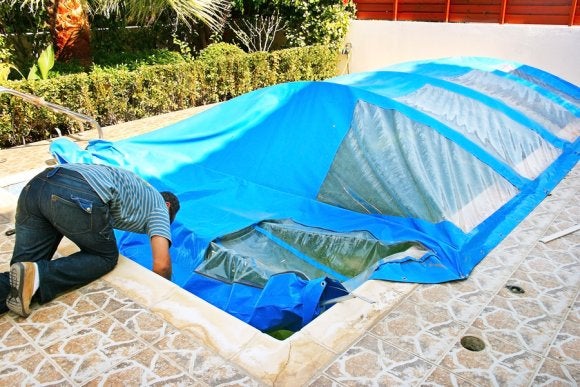
- Cover the Pool – You’ll want to install your pool cover. A secure pool cover will prevent debris and dirt from entering your pool so that it can be easily opened.
Prepare Your Pool for the Winter Season
If you live in an area where the temperature drops below freezing, winterization is essential for protecting your pool. If you’re still unsure about pool winterization, then contact Deep Blue Pool and Spas. As your local pool services expert, our knowledgeable and experienced team of certified pool professionals provides complete pool closing and winterization services in Salt Lake City, UT. We can ensure your pool is winterized and protected throughout the off-season. Schedule your service today.
-
Beautifying Your Swimming Pool Area
There are several ways to beautify your swimming pool area —some more involved than others. For example, a few well-placed plants can improve the visual appeal of your swimming pool. You can choose to do several small beautification projects gradually or to complete one grand project after your pool installation. Here are some suggestions to take into consideration. When you’re ready to turn your pool area into an oasis, be sure to hire a full-service swimming pool company near Salt Lake City to do the job for you. An experienced pool contractor can help you with the designing, planning, and implementing processes.
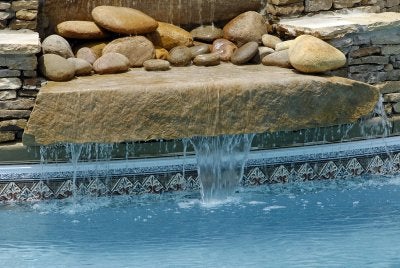
Adding a Water Feature
Water features of any kind can make a space relaxing and tranquil. The sound of moving water from a stream or a fountain is undeniably soothing. The sight of a cascading waterfall can be awe-inspiring. Whether it’s beside your pool or it’s a part of it, a water feature is sure to elevate your outdoor space.
Putting in a Hot Tub or Spa
If you’re planning a swimming pool installed on your property, consider putting in a complimentary hot tub or spa. Nothing quite beats the sensation of soaking in a hot tub after a nice swim in a cool pool. A well-designed pool and spa combo can be visually stunning.
Using Rocks and Boulders
If you want to have a more natural-looking pool area, you should use rocks and boulders. These accent pieces can be made of actual rock or manufactured material. Natural stones can really be attractive when placed around your pool, but they can be costly to purchase and install—especially larger boulders. Artificial stones are much lighter and can be made to look like natural stones. Larger structures, such as rock waterfalls, can be fabricated in whatever shapes you desire at reasonable costs.
Creating a Sanctuary with Plants
One of the best ways to beautify your pool area is to add landscaping. Plants are pivotal in creating an oasis-like space, and they work well with natural elements like rocks and boulders. Not only can plants make an area look lovely, but they can also be used to create privacy. Tall shrubs or fanning palms can block the view from a nosy neighbor or a passerby on the sidewalk.
-
Lowering Your Pool Water When Closing Your Pool
During the winter months, it is important to contact a pool contractor and perform seasonal swimming pool maintenance. When outdoor temperatures drop below freezing, your skimmer could crack if you neglect to blow out the lines. Your pool contractor can remove water from the lines so that they are protected from bursting. If you schedule this service with a highly rated pool contractor in Salt Lake City, you will not need to lower your pool water. However, inground pools with tile borders should have their water lowered below the tile line to prevent damage. For a closer look at some winter maintenance tips for your swimming pool, be sure to watch this video from SwimUniversity.
-
Tips for Keeping Pests Out of Your Pool
How to Keep Critters Out of Your Pool
How to Keep Animals Out of Your Pool
Nothing ruins a relaxing pool day quite like discovering critters trying to make a home in your pool. Frogs, insects, mice, raccoons, and more can all hole up around your pool and stay for the season. Left unchecked, you could even end up with a dead animal in your pool! Thankfully, you can take some steps to keep critters away from your backyard paradise. Here are a few tips to discourage pests.
1. Start With Physical Barriers
Your first line of defense is setting up a few physical barriers. These are usually the most effective long-term solutions for keeping a critter-free pool. Start with the following:
- Pool Covers—A quality pool cover keeps animals from accessing the water and prevents excess debris. A mesh cover is good for keeping larger animals out while still allowing rainwater to pass through, but smaller creatures might still find their way inside.
- Fencing—Install a fence around your pool or backyard to keep large animals away from your pool entirely. This is especially useful if you have a raccoon problem. For smaller critters, you might need fencing with tighter mesh or additional ground-level barriers.
2. Install Pool Alarms and Motion Sensors
A physical barrier might be all you need to keep animals out of your pool. But if you’re still concerned, try installing pool alarms and motion sensors, too. Modern systems can detect even small critters, and motion-activated lights or sprinklers can deter animals without harming them.
3. Implement Some Natural Deterrents
Some plants act as natural deterrents, keeping frogs out of the pool (as well as other animals). Strong-scented herbs like lavender, rosemary, and mint discourage insects and small mammals. Marigolds repel many flying insects, while citrus plants deter cats and some rodents. In the same vein, avoid adding plants to your landscape that attract the critters you’d rather deter. For example, flowering plants can attract frogs, and fruit trees might catch the attention of larger animals.
4. Change Up Your Landscape Design
Your landscape could be making your property more attractive to all kinds of unwanted critters! If this might be the case for you, try creating buffer zones between natural areas and your pool. Remove brush piles, tall grass, and dense vegetation near the pool area. A decorative barrier can work well here—instead of putting grass right next to the open water, use raised planters or intricate tilework to separate the areas.
5. Try Pest Control Traps
If a specific pest has gotten out of hand, it might be time to lay down some traps around the pool area. Insects and rodents in particular can be deterred with traps, especially if they’re placed near food sources. If you take this approach, consider working with a pest control company. The experts will help ensure you aren’t contaminating any plants or pool water.
6. Keep Up With Pool Maintenance
Regular pool maintenance is one of the best ways to keep mice out of pools. A clean pool makes for an environment that is much less attractive to pests of all kinds. Here are just a few specifics to keep in mind:
- Balance Your Chemicals—The proper chemical levels make pool water less attractive to animals seeking a cool drink. Most animals prefer fresh water over chemically treated water, so consistent chlorination encourages them to seek alternatives.
- Skim and Clean Often—Every day or so, skim the water to remove insects and debris that might attract scavenger animals. Pay special attention to leaves and other organic matter, as these can decompose and bring in even more critters.
- Clean Pool Equipment—Pool pumps, filters, and heating equipment create warm, dark spaces that appeal to small animals seeking shelter. Talk to your local pool experts about regular cleaning and inspection to prevent animals from establishing nests.
Enjoy Your Pool This Summer, Critter-Free
Keeping a critter-free pool doesn’t have to be an uphill battle. With the right tools and strategies in mind, you can enjoy a clean pool without pests all summer long. If critters are an ongoing issue at your property and you need some help with maintenance, don’t hesitate to contact Deep Blue Pools and Spas. We specialize in all kinds of pool upkeep. Contact us today to learn more.
-
Recognizing the Signs of Pool Problems
A swimming pool installation is a significant investment for any homeowner. To preserve the quality and condition of your new pool installation, you will need to perform routine pool maintenance services with the help of a pool contractor in Salt Lake City. There are several signs and symptoms that can indicate that your pool is in need of a swimming pool maintenance appointment. For example, you may notice that your water level has begun to drop more rapidly than usual. In addition, the water in your chlorine pool may start to cause eye or skin irritation after you take a tip. You may also notice dirt or debris building up on your pool lighting, liner, or tile. Finally, when your pool pump begins to make loud or unusual noises, you should be sure to set up swimming pool services right away. A pool contractor in your local area will be able to fully diagnose and troubleshoot any problem that may be affecting your pool.
-
Selecting The Best Cover for Your Swimming Pool
When you are preparing for a new swimming pool installation, you will have many factors to consider. A pool contractor in Salt Lake City can help you with every aspect of your swimming pool design, including the size and shape of your pool, as well as your water features. Pool covers are essential features for any pool installation. With the right pool cover, you can enhance the safety of your pool, while also protecting your pool tile and materials from damage. To help you with your purchase, here is a look at some factors to consider when selecting a cover for your swimming pool.
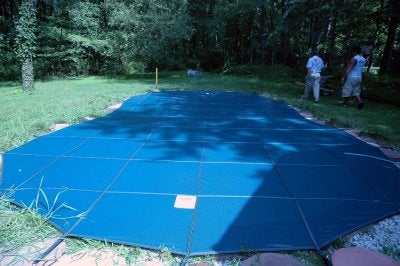
Mesh Swimming Pool Covers
Mesh swimming pool covers are among the most popular types of pool covers available. When you choose a mesh swimming pool cover, your cover will be very light and easy to remove from the surface of the swimming pool. During the winter months, a mesh pool cover will also allow rain and snow to transfer through its surface, eliminating the need to remove excess water after a storm.
Solid Swimming Pool Covers
For the ultimate level of protection and safety for your swimming pool, you may want to choose a solid swimming pool cover. With a solid swimming pool cover, your pool area will be completely sealed off from outside elements. This type of swimming pool cover will also protect your pool water from bacteria and algae, ensuring that you will have less maintenance when you reopen your pool in the spring.
Making the Choice
Ultimately, the type of swimming pool cover that you choose for your pool will be up to you as a pool owner. Mesh pool covers offer fantastic ease of installation and removal, and can also reduce maintenance during the winter season. With a solid swimming pool cover, you may cut down on your pool cleaning in the long run. Your pool contractor will be able to answer any questions that you may have about choosing the best cover for your pool.
-
Avoid These Mistakes with Your Hot Tub
A hot tub installation will provide you with spa-like relaxation at home. To keep your hot tub in great condition for many years to come, you will need to avoid some common hot tub maintenance mistakes. For example, neglecting to check the chemistry in your hot tub could lead to calcium build-up, corrosion, and other issues. With a simple test kit from a swimming pool company, you will know precisely which chemicals need to be added to your water. A company offering hot tub installation near Salt Lake City can assist you with all of your spas and swimming pool maintenance needs. For a closer look at some of the fundamentals of hot tub care, check out this video.
-
Tips for Setting Pool Safety Rules
A pool installation will provide countless outdoor recreation opportunities for you and your loved ones. If you are the parent of small children, it is of the utmost importance that you keep your young ones safe when they are playing in or around your pool. To help boost the safety of your pool, you may want to ask your pool contractor in Salt Lake City to incorporate safety features into your design. For example, your swimming pool builders can include pool covers and fences that will protect young children from accidental injury around the pool. To help you prepare your family for your pool installation, here are some tips for setting pool safety rules.
Ensure Adult Supervision
One of the fundamentals of pool safety is to make sure that children are supervised at all times when they are using the pool. When your children are swimming or playing near the pool, you will want to make sure that there is a responsible adult in charge. With adult supervision, you can keep an eye on children as they play.
Consider Rules for Play
Along with making sure that children are always supervised, you may also want to set safety rules regarding play and conduct around the pool. For example, you can set a rule that prevents running or roughhousing near the pool. Additionally, pushing and other behaviors should also be discouraged. By keeping play and activities calm and controlled, you will be able to help prevent an accident around your pool area.
Evaluate Diving Rules
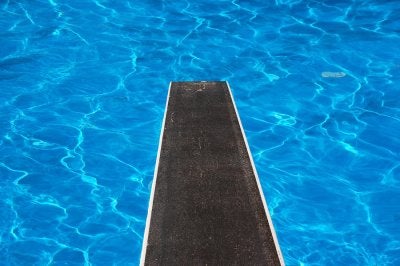
Diving is a swimming pool activity that can be enjoyed by family members of all ages. However, if a swimmer dives into a shallow area of a pool, serious injury could occur. To allow children and adults to dive safely, you may want to consider designating a dive area on the deep end of the pool. Diving should be off-limits in shallow pools, or in spaces where other water features are present. By setting pool rules, you can enjoy many years of fun and safe play in your backyard pool.
-
Fiery Features for Your Landscaping
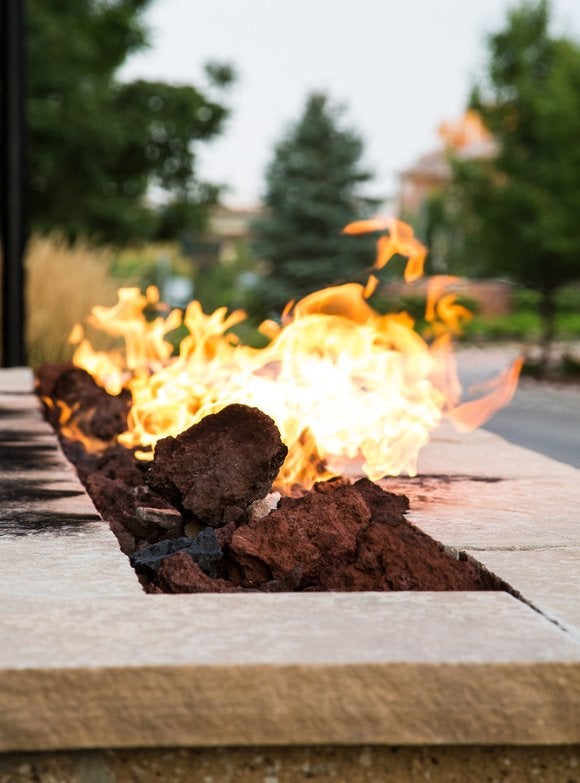
As you are preparing for a swimming pool installation serving Salt Lake City, you may want to talk to your swimming pool builders about incorporating exciting outdoor fire features in your design. By including an outdoor fire pit near your swimming pool or hot tub installation, you will create a natural gathering place in your backyard. In addition, an outdoor fireplace can offer you cozy comfort and warmth on a chilly fall night. Fire features are also natural additions to an outdoor kitchen design. As you are planning out spaces for your grill, bar, and prep areas, you may want to incorporate seating around a luxurious outdoor fire pit installation. For those homeowners who are avid chefs, outdoor ovens and barbeques can be used to create tasty outdoor meals. With the assistance of pool and spa designers serving your local area, you will be able to incorporate the perfect fire features in your newly updated backyard.
-
Pool pH Maintenance 101
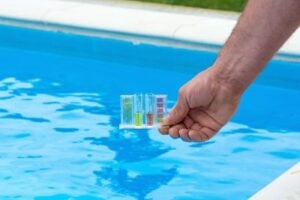
Balancing your pool chemistry is among the most important steps of pool maintenance. After your swimming pool installation has been completed, it will be up to you to make sure that your swimming pool water is not too acidic or alkaline. The process of balancing your pool water is known as maintaining a neutral pH. A pool contractor in Salt Lake City can provide you with all of the swimming pool maintenance tips you need to ensure that your chlorine or saltwater pool has a neutral pH. Read on for a look at some of the basics about pH and your swimming pool.
The Importance of pH Balance
There are several reasons why it is very important to keep the pH of your pool water balanced at all times. Since the chemicals in your pool are responsible for clearing away bacteria, algae, and other unwanted particles, balancing your pool water is an important step in keeping your pool water clear. In the event that the pH of your pool water gets too low or high, your swimming pool may become an unhealthy environment for swimming and recreation.
Signs of High pH
When the pH of your pool water becomes too high, your pool may begin to exhibit the signs and symptoms of acidity. For example, you may notice calcium deposits on the surface of your pool, and you may also find that your pool water is cloudy or murky. Additionally, you may experience burning or redness when you enter your pool. Certain pool chemicals can be added to your water to drop the pH instantly.
Signs of Low pH
In the event that the pH of your pool water gets too low, your pool may begin to experience the symptoms that are associated with alkalinity. You may notice that the grout around your pool is corroding, or that the metallic elements around your pool are rusting. When your pH is low, your chlorine tablets may also dissipate very quickly. To remedy low pH in a pool, it is suggested that you add a base to your chemicals.
RECENT POSTS
categories
- Uncategorized
- Hot Tub Installation
- Swimming Pool Installations
- Swimming Pool Design
- In Ground Pools
- Swimming Pool Maintenance
- Swimming Pool Service
- Swimming Pool Repair
- Outdoor Fireplace
- Outdoor Fire Pit
- Pool Safety
- Deep Blue Pools and Spas
- Exercise
- Swimming
- Outdoor Kitchen
- Pool Chemicals
- Chlorine Levels
- Water Feature
- Burning Calories
- Pool Contractor