
-
Choosing a Great Swimming Pool Layout
When you are preparing for a swimming pool installation, it is important to create a pool design that matches perfectly with the style and layout of your home and yard. From traditional L-shaped pools to pools with organic, curved designs, your pool contractor in Salt Lake City can help you create the perfect pool for your property. To get the most out of your swimming pool or hot tub installation, it is crucial to work with swimming pool builders who have a great reputation in the local community. Read on for some handy tips to keep in mind when you are choosing a swimming pool layout.
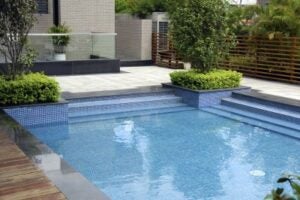
Rectangular Layout
If your yard has a formal look and feel, you may want to choose a rectangular layout for your swimming pool. The rectangle is a classic swimming pool layout that has been used for many centuries. For those pool owners who like to swim laps or perform water aerobics, the rectangular swimming pool is also the perfect shape for getting aquatic exercise.
Oval Layout
To place a unique twist on your swimming pool design, you may want to consider choosing an oval layout. Unlike a rectangular swimming pool, which contains angular edges, an oval swimming pool is rounded on the ends. With an oval swimming pool, you and your loved ones will be able to set up water games around the perimeter of the pool. The softer lines of an oval swimming pool will make this type of pool appear less formal in your yard.
L-Shaped Layout
When you are seeking to maximize your pool deck space, you might want to consider creating a swimming pool that has an L-shaped layout. With an L-shaped swimming pool, your pool will create a natural lounging area that you and your guests can use to enjoy the sunshine. Since an L-shaped pool has a natural contour, you can also create shallow and deep areas that are suited for different swimming activities and games.
-
A Look at Gunite Pools
Gunite pools are popular choices for homeowners and business owners who are looking to have beautiful, long-lasting pools installed on their properties. Gunite is a pool installation application process where concrete is sprayed over a rebar frame using compressed air. A dry mixture of cement and sand is pushed through a specialized hose. Water is added to hydrate the dry mixture at the nozzle of the hose just before the entire mixture is applied to a new pool’s metal framework. This process makes gunite in-ground pools very durable. And since these pools can be designed and built on site, they can be made in any shape, size, and depth—the possibilities are limited to your property’s lot size, your budget, and your imagination.
When you’re ready to design and build your new gunite pool, hire an experienced pool contractor in Salt Lake City who specializes in more than just pool installation. A good swimming pool company should offer other services such as a pool maintenance program, spa and hot tub installation, and poolside design and construction.

-
What Shape of Swimming Pool Is Right for You?
One of the first things you have to consider when you’re planning a swimming pool installation is the style of your new pool. With so many different shapes of pools to pick from, the task of choosing the right one may seem daunting. Luckily, it doesn’t have to be. Your design aesthetic, property’s size, and budget are all important factors in determining the right shape of swimming pool. When in doubt, enlist the help of a reputable pool contractor in Salt Lake City . In the meantime, here are a few common pool shapes you should know about before scheduling a pool installation.

Oval Pools
The shape of an oval pool can be very visually appealing, especially if there are a lot of square edges in your swimming pool area. There are two popular variants to this shape: kidney and figure eight.
Freeform Pools
A freeform pool has no definite or established shape. Design-wise, you can make it look like whatever you wish. Freeform pools can be completely amorphous or fluid, or they can resemble various objects. These pools are a good choice for a homeowner who favors an eccentric or organic design scheme.
Rectangular and Lap Pools
Rectangular pools are popular because of their basic no-frills style. A lap pool is a type of rectangular pool that is used in competitive swimming. These pools are perfect for swimmers who mainly swim for exercise or who are training for competition. Though rectangular pools can be built to fit any size space, they are best in area that are narrow or that are limited in space.
Geometric Pools
Geometric pools have defined shapes that tend to be square in nature. This style of pool can have a modular look to it, which makes it perfect in a contemporary design, and can either be symmetrical or asymmetrical.
Grecian and Roman Pools
Grecian and Roman pools have a recognizably classic look to them—they are rectangular pools with highly stylized, trimmed-off corners. They tend to be large pools that can accommodate a lot of people in them at once.
-
Winterizing Your Pool
How to Winterize a Pool
After an exciting summer season of swimming and lounging, pool owners who live in an area where winter temperatures drop below freezing must winterize their pools to protect them during the offseason. Proper winterization is an essential step every pool owner must follow. However, it can be complex and difficult, especially for new pool owners. Our easy-to-understand and thorough guide will provide you with all the information you need to winterize your pool correctly. Whether this is your first season or you’ve been winterizing your pool for years and need a refresher, we’re here to help.
What Is Pool Winterization?
Pool winterization is the process of preparing your swimming pool for the sub-zero winter months. When water freezes, it expands, damaging your pool lining, plumbing, and equipment. By balancing water chemistry, cleaning the pool, lowering the water levels, and protecting the plumbing and equipment, you can prevent costly repairs while keeping the water as clean and clear as possible for opening weekend.
What Are the Benefits of Pool Winterization?
Taking the time to winterize your pool is essential for getting the most from your home’s pool. Winterization offers several significant benefits, including:
- Prevents Equipment Damage – When water freezes, it expands, causing your plumbing and equipment to crack. Draining the water is the most effective way to avoid damage.
- Protects the Pool Structure – Your vinyl lining can dry out and crack over the winter. If you have a fiberglass or concrete pool, it prevents cracks caused by ice pressure.
- Keeps Water Clean – Winterizing your pool prevents algae growth, meaning you’ll spend less time cleaning it once pool season begins.
- Saves Time and Money – Winterizing your pool saves you from expensive repairs and extensive cleaning costs when summer returns. A quick and easy spring opening is a direct result of a thorough fall closing.
What Do I Need to Winterize My Pool?
Preparing all your winterization equipment before you get started will ensure a smooth process. Here’s the basic equipment you’ll need for closing your pool:
- Pool Water Test Kit
- Winterizing Chemicals
- Pool Cover
- Pool Brush and Skimmer Net
- Pool Vacuum
- Air Compressor or Shop Vacuum
- Winterizing Plugs
- Pool Antifreeze
What Are the Steps for Pool Winterization?
Now that you have all the winterizing items, you can close your pool like a pro. Follow these steps to ensure your pool is correctly winterized:
- Clean Your Pool Thoroughly – Use your skimmer to remove all surface-level debris like leaves and sticks. Next, use a brush to scrub dirt stuck to the walls and floor. Finally, use your pool vacuum to remove as much dirt from the bottom of the pool as possible.
- Test and Balance the Water – Use your test kit to check the water chemistry. Adjust the pH (7.2-7.6), alkalinity (80-120ppm), and calcium hardness (180-220 ppm) levels to fall within the recommended ranges. Once balanced, add a dose of pool shock and allow it to circulate through the pool for several hours.
- Add Winterization Chemicals – Add a winter algaecide and a stain and scale prevention product. These chemicals will work through the winter to prevent algae growth and mineral buildup on your pool’s surfaces. Allow the pump to run for a few hours to distribute these chemicals evenly.
- Lower the Water Level – Next, lower the water levels below your pool’s plumbing. To lower the water level, turn off the pump and set the valve to “waste” or “drain” setting.
- Drain and Store Equipment – Drain all water from your pump, filter, heater, and chlorinator. Store the equipment in a warm, dry area such as a basement or garage if possible.
- Clear the Plumbing Lines – Though you’ve lowered the water levels, water can still be trapped in the plumbing. Use a shop vacuum or air compressor to clear the lines and plug them up to keep them dry throughout the offseason.
- Cover the Pool – You’ll want to install your pool cover. A secure pool cover will prevent debris and dirt from entering your pool so that it can be easily opened.
Prepare Your Pool for the Winter Season
If you live in an area where the temperature drops below freezing, winterization is essential for protecting your pool. If you’re still unsure about pool winterization, then contact Deep Blue Pool and Spas. As your local pool services expert, our knowledgeable and experienced team of certified pool professionals provides complete pool closing and winterization services in Salt Lake City, UT. We can ensure your pool is winterized and protected throughout the off-season. Schedule your service today.
RECENT POSTS
categories
- Uncategorized
- Hot Tub Installation
- Swimming Pool Installations
- Swimming Pool Design
- In Ground Pools
- Swimming Pool Maintenance
- Swimming Pool Service
- Swimming Pool Repair
- Outdoor Fireplace
- Outdoor Fire Pit
- Pool Safety
- Deep Blue Pools and Spas
- Exercise
- Swimming
- Outdoor Kitchen
- Pool Chemicals
- Chlorine Levels
- Water Feature
- Burning Calories
- Pool Contractor