
-
Top Trends in Pool Installation for 2018
Whether you’re considering a brand new swimming pool installation in Salt Lake City or simply want to upgrade your existing pool, there are several trends you can embrace in 2018. Consider giving your pool modern appeal with these features that are sure to be favorites this year.
Hydrotherapy Jets

With hydrotherapy jets, you get to combine the benefits of having an in-ground swimming pool in your backyard with the spa-like health features of a hot tub. By including hydrotherapy jets in your pool installation, you can turn your pool into the perfect location for a healing soak. The pressure of the jets helps to ease aching muscles and joints and are perfect for controlling arthritis symptoms or recovering from a tough workout. If your pool is heated, the jets can be even more soothing, as the warm water can further relax your muscles and joints.
LED Lighting
LED lighting has both aesthetic and functional benefits. Because the lights are available in a variety of colors and sizes, you can use them to highlight your pool as part of your landscaping and to set the perfect mood for nighttime swimming. Swimming pool lighting also makes it safer to swim after dark and navigate your pool deck area. LED lighting is much more energy-efficient than traditional lighting, so you’ll save money on your energy bill. This kind of lighting is also inexpensive to install, so talk to your pool contractor about adding it to your swimming area.
Automation
Home automation continues to be a top trend, and there’s no reason to leave your pool out of these smart home upgrades. There are a number of ways you can add automation to your swimming pool, from automated pool covers to heating systems and cleaners. These features allow you to manage your routine pool maintenance right from your smart phone. As home automation tools continue to expand, expect to see new automation features for your pool become available. -
How Often Should I Replace the Pool Water?
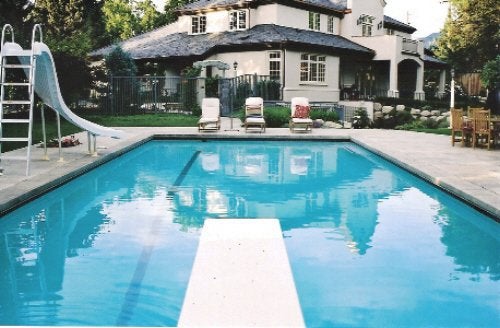
Even with an effective pool filtration system, you will want to periodically replace the water as part of your pool maintenance plan. Your pool contractor in Salt Lake City can tell you how often the water should be replaced in your pool, based on the manufacturer’s recommendations and how often you plan to use the pool.
Generally, pool water needs to be replaced once every five to seven years. This should be done during mild weather so that your pool surface is not at risk from strong sunlight and heat. Your pool maintenance company can recommend when it is time to drain your pool. Keep in mind that you can minimize the number of times your pool needs to be drained by sticking to a regular swimming pool maintenance schedule, which will help to control the levels of potentially damaging elements in your pool water. Because pool drainage can be complex and doing so at the wrong time can damage the pool, it’s generally best to allow your pool maintenance company to perform the task for you.
-
Quick Tips for Adding Chemicals to a Hot Tub
How To Add Chemicals to Hot Tub in Salt Lake City & Surrounding Areas
Owning a hot tub in Salt Lake City offers a perfect escape from our chilly Utah winters and beautiful, cool mountain evenings. Slipping into warm, bubbling water is incredibly relaxing. Keeping that water clean and inviting, however, requires a bit of routine maintenance. If you are adding chemicals to a hot tub for the first time, the process might seem confusing. You want crystal clear water without skin irritation or equipment damage, but the bottles and powders can look intimidating. As you keep reading, our team from Deep Blue Pool and Spas will walk you through exactly how to add chemicals to a hot tub safely and effectively. You will learn best practices for maintaining a healthy spa, ensuring your backyard oasis remains a pristine retreat year-round.
Why Chemical Balance Matters
Maintaining a proper chemical balance in your spa does much more than keep the water looking clear. Unbalanced water can cause severe damage to your spa’s internal components. High acidity will corrode metal parts, heaters, and seals. High alkalinity leads to cloudy water and stubborn scale buildup on the acrylic shell and in the plumbing. Untreated warm water creates a perfect environment for bacteria and algae to thrive. Properly balancing your hot tub chemicals ensures the water is completely sanitary and safe for everyone to enjoy. It prevents skin rashes, eye irritation, and unpleasant odors. Taking a few minutes to balance your spa water protects both your health and your financial investment.
Step-by-Step Tips for Adding Chemicals
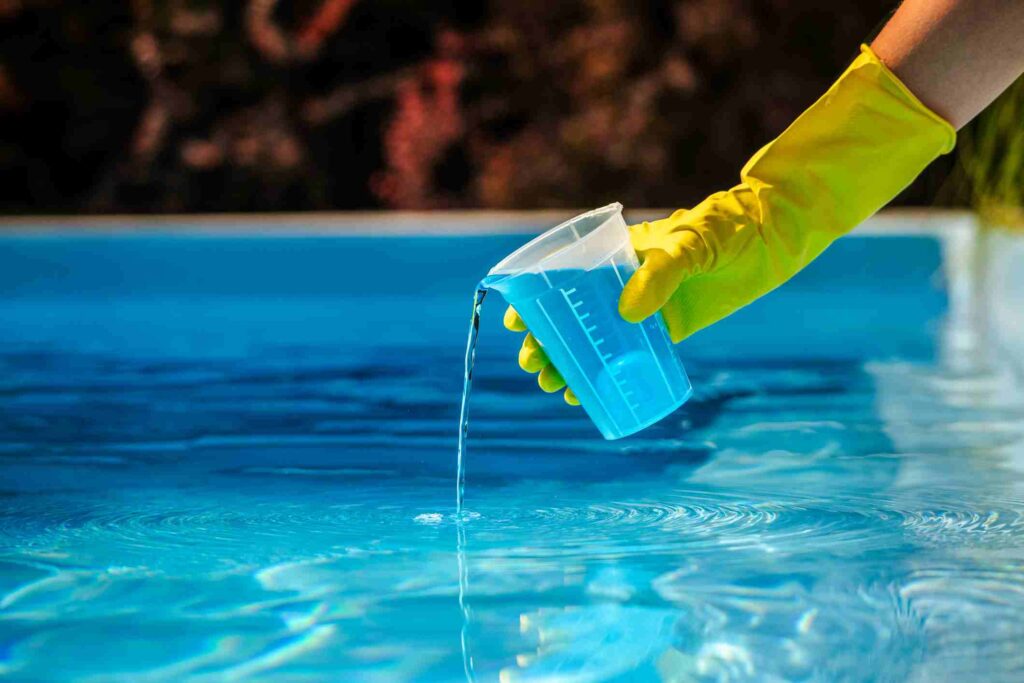
Adding treatments to your spa requires a specific approach. Following these steps will help you achieve a perfect balance every time.
- Test the Water First: Always know your starting point. Use high-quality test strips or a liquid testing kit to check your current pH, alkalinity, and sanitizer levels. You cannot accurately treat the water if you do not know what it currently needs.
- Turn on the Jets: Before pouring anything into the spa, turn on your jets. Leave the air valves closed so the water circulates smoothly without bubbling too vigorously. Moving water distributes the treatments evenly and prevents concentrated granules from sinking to the bottom, where they could potentially bleach or blister the spa shell.
- Measure Carefully: Never guess the amounts. Read the manufacturer’s instructions on your chemical bottles and measure the exact dosage required for your hot tub’s specific water volume. Over-treating the water is a common mistake that can force you to drain the tub and start over completely.
- Add Chemicals One by One: Never mix different treatments before putting them in the water. Mixing can cause dangerous chemical reactions or neutralize the active ingredients. Broadcast one treatment evenly across the surface of the water, wait about ten to fifteen minutes with the jets running, and then add the next treatment.
- Leave the Cover Open: Keep the hot tub cover off for at least 15 to 30 minutes after treating the water. Chemical off-gassing occurs as the treatments dissolve and do their work. Trapping these gases under a closed cover can severely damage the underside of your cover and the pillows in your spa.
Best Time to Add Chemicals
The most effective time to treat your water is right after you finish using the spa for the day. Adding sanitizers after a soaking session allows the treatments to immediately attack the bacteria, sweat, and oils left behind by bathers. Treating the water in the evening also gives the spa plenty of time to circulate and stabilize before anyone uses it again the next day. This ensures the water is perfectly clean, clear, and safe for your next relaxing soak.
Keep Your Spa Sparkling With Deep Blue Pool and Spas
Maintaining a beautiful hot tub does not have to be stressful. By testing regularly and following a steady routine, you will master your water care in no time. If you live in Salt Lake City, UT, and surrounding communities, Deep Blue Pool and Spas is here to support you. We carry top-tier water care products and can answer any questions you have about keeping your backyard oasis in perfect condition. Contact us today to learn more about how we can help you.
Frequently Asked Questions
Navigating the world of hot tub maintenance can often feel overwhelming for new and experienced owners alike. To help you maintain a safe, clear, and inviting soaking environment, we have compiled answers to the most common inquiries regarding water chemistry and equipment care. Understanding these fundamentals ensures that your spa remains a stress-free sanctuary for years to come.
How Do I Start Adding Chemicals to a Hot Tub For the First Time?
Start by filling your tub with fresh water, then test it to check the baseline levels. Adjust your alkalinity first, followed by your pH. Once those two metrics are balanced, add your sanitizer (chlorine or bromine). Allow the water to circulate with the cover off before retesting.
How Long Should I Wait After Adding Chlorine to a Hot Tub?
You should wait at least 30 minutes after adding chlorine before getting into the water. Keep the cover off and the jets running during this time. Before getting in, test the water to ensure the chlorine level is within a safe range (usually 3-5 parts per million).
Can I Mix Chemicals For a Hot Tub Together?
No. You should never mix treatments outside of the water. Always add them to the spa water one at a time, allowing the jets to circulate the water for at least ten minutes between each addition.
What Happens If I Put in Too Much Chemical?
Over-treating can cause skin irritation, strong odors, and cloudy water. If you slightly overdo it, leaving the cover off and letting the sun hit the water can help dissipate chlorine. If the levels are extremely high, you may need to drain some water and replace it with fresh water to dilute the concentration.
Where Can I Buy Reliable Hot Tub Supplies?
Residents of Salt Lake City, UT, and surrounding communities can find everything they need at Deep Blue Pool and Spas. We offer professional-grade treatments, testing kits, and expert advice to help you maintain your spa effortlessly.
-
Essential Steps in Caring for Your Solid Pool Cover
After your pool installation in Salt Lake City, using your pool cover the right way will protect your investment. As you need regular swimming pool maintenance , your cover will also need some special attention now and then to ensure that it stays in good condition and protects your pool properly. If you have a sold pool cover, follow these steps to care for it.
Spot Check Your Water Line
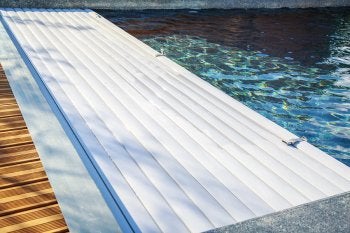
Your water line is important to more than your skimming system. If there is heavy debris on the surface of your solid cover, such as snow, water from heavy rains, or limbs, and the water line is so low that it doesn’t support your cover from underneath, then your pool cover can become damaged or wear out sooner than it otherwise would. When your pool is not in use for long periods of time, periodically perform water level checks to prevent excessive stain on your pool cover.
Prevent Chemical Damage
The chemicals you put in your pool to keep the water clean and balanced could cause damage to your swimming pool cover. When you add chemicals, avoid putting the cover on for at least two hours. This will allow the chemicals to dissolve in the water and the levels to balance out. If you put your pool cover on right after treating your water, the chemicals could still be sitting on the surface of the water and damage the pool cover.
Clean Your Pool Cover
Your pool cover should be cleaned about once every three to six months. Use mild dish soap and a hose to wet the surface, and then scrub it with a pool brush. Rinse the soap off and use a cover pump on the liner to get rid any water that accumulates. If you notice any mold growth, wash the affected area with diluted bleach, being sure to rinse it off completely. You can reduce the chances of mold growth by making sure your cover is dry before storing it.
RECENT POSTS
categories
- Uncategorized
- Hot Tub Installation
- Swimming Pool Installations
- Swimming Pool Design
- In Ground Pools
- Swimming Pool Maintenance
- Swimming Pool Service
- Swimming Pool Repair
- Outdoor Fireplace
- Outdoor Fire Pit
- Pool Safety
- Deep Blue Pools and Spas
- Exercise
- Swimming
- Outdoor Kitchen
- Pool Chemicals
- Chlorine Levels
- Water Feature
- Burning Calories
- Pool Contractor